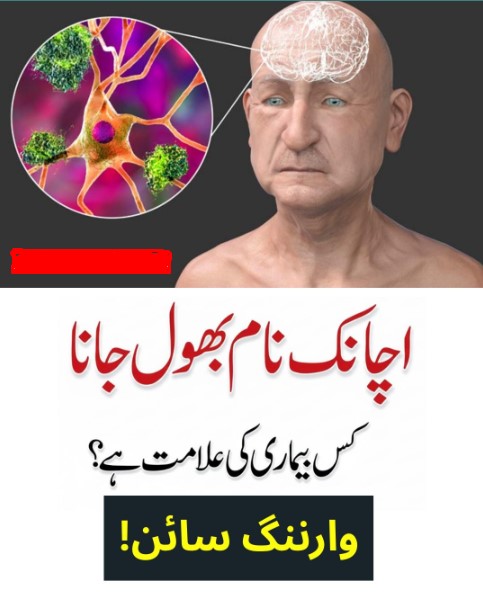
Sudden forgetting of name
is a sign of what disease:
Waning sign
Lifestyle Strategies to Support Bone Health in Osteoporosis Without Medication
Osteoporosis is a common condition that affects bone strength and may increase the risk of fractures over time. It develops gradually and often becomes noticeable only after a minor fall or injury leads to a broken bone. Older adults, postmenopausal women, and individuals with low physical activity levels may have a higher risk of developing osteoporosis.
While medications are commonly used to help manage osteoporosis, many people also look for lifestyle-based approaches to support bone health. Healthy habits such as proper nutrition, regular exercise, and fall prevention may help improve mobility, maintain independence, and support overall well-being when used alongside professional medical care.
Understanding Bone Health
Bones are living tissues that constantly rebuild and repair themselves. During younger years, the body typically creates bone faster than it breaks it down. As people age, this balance may shift, leading to reduced bone density over time.
Factors such as aging, hormonal changes, limited physical activity, low vitamin D levels, smoking, and poor nutrition can all influence bone health.
Focus on Bone-Supportive Nutrition
A balanced diet plays an important role in maintaining healthy bones. Nutrients such as calcium, vitamin D, protein, magnesium, and potassium are especially important for bone maintenance.
Calcium-Rich Foods
Calcium is a major building block of bone tissue. Including calcium-rich foods regularly may help support bone strength.
Good sources include:
- Dairy products like milk, yogurt, and cheese
- Leafy green vegetables
- Tofu
- Almonds
- Sesame seeds
- Fortified plant-based milk alternatives
Vitamin D for Calcium Absorption
Vitamin D helps the body absorb calcium efficiently.
Sources of vitamin D may include:
- Safe sunlight exposure
- Fatty fish
- Egg yolks
- Fortified dairy products and cereals
Some individuals may need supplements, but this should be discussed with a healthcare provider.
Protein for Bones and Muscles
Protein supports both muscle and bone structure. Maintaining muscle strength is especially important because strong muscles help improve stability and reduce fall risk.
Good protein sources include:
- Fish
- Lean meats
- Eggs
- Beans
- Lentils
- Nuts and seeds
Magnesium and Potassium
These nutrients support overall bone health and can be found in:
- Spinach
- Bananas
- Whole grains
- Avocados
- Pumpkin seeds
- Fruits and vegetables
Stay Physically Active
Regular physical activity is one of the most effective lifestyle habits for supporting bone health.
Walking
Walking is a simple, accessible weight-bearing exercise that may help maintain bone strength and improve circulation and balance.
Even short daily walks can contribute to better mobility and confidence.
Strength Training
Resistance exercises may help maintain both muscle and bone strength.
Examples include:
- Squats
- Wall push-ups
- Step-ups
- Resistance band exercises
- Light weight training
It is important to use proper technique and seek professional guidance when needed.
Balance and Flexibility
Balance-focused activities can help reduce fall risk, which is especially important for people with osteoporosis.
Helpful options may include:
- Yoga
- Tai Chi
- Gentle stretching
People with advanced osteoporosis should discuss safe exercise choices with a healthcare professional.
Improve Posture
Good posture can help reduce strain on the spine and support better movement.
Strengthening the back and core muscles may help maintain alignment and improve comfort during daily activities.
Maintain a Healthy Weight
Being underweight may increase fracture risk, while excess body weight may place extra stress on joints and reduce mobility.
Balanced nutrition and regular movement can help support a healthy body weight.
Avoid Harmful Habits
Certain habits may negatively affect bone health.
Smoking
Smoking may interfere with the body’s ability to maintain healthy bone tissue. Quitting smoking can support both bone and overall health.
Excess Alcohol
Limiting alcohol may help reduce fall risk and support healthier bones.
Limit Highly Processed Foods
Highly processed foods and sugary drinks may contribute to poor nutrition.
Choosing more whole foods, water, and nutrient-rich meals can support long-term wellness.
Prioritize Sleep and Stress Management
Quality sleep supports recovery, physical energy, and overall health.
Stress management practices such as:
- Meditation
- Deep breathing
- Mindfulness
may help support emotional well-being and healthy daily habits.
Support Hormonal Health
Hormonal changes, particularly after menopause, can affect bone density.
Anyone considering supplements or natural therapies for hormone support should consult a qualified healthcare provider before use.
Make the Home Safer
Many fractures happen because of falls at home. Simple safety improvements may reduce risk:
- Remove loose rugs
- Improve lighting
- Install handrails
- Use non-slip mats
- Wear supportive footwear
These changes can help improve confidence and mobility.
Continue Regular Medical Checkups
Lifestyle changes are important, but regular medical care remains essential.
Bone density tests and routine appointments can help monitor changes and guide treatment decisions.
Stay Hydrated
Proper hydration supports circulation, muscle function, and physical performance.
Drinking enough water throughout the day may also help reduce dizziness and weakness.
Be Cautious With “Quick Fix” Claims
Many products claim to provide fast or “miracle” solutions for osteoporosis, but there is no instant natural cure.
Evidence-based lifestyle habits are generally the safest and most reliable way to support bone health over time.
A Whole-Body Approach
Supporting bone health involves more than focusing only on bones.
A well-rounded lifestyle that includes:
- Healthy eating
- Physical activity
- Sleep
- Stress management
- Fall prevention
- Regular medical care
can support better long-term outcomes.
Consistency Matters
Healthy habits are most effective when practiced consistently.
Small daily actions—such as walking, eating calcium-rich foods, stretching, and getting enough sleep—can add up over time and support healthier aging.
Conclusion
Osteoporosis can often be managed more effectively with a combination of professional medical guidance and healthy lifestyle choices.
Nutrition, exercise, balance training, sleep, and safety habits all play important roles in supporting bone health and mobility. By making steady, informed choices, many individuals can remain active and independent while supporting their overall well-being.