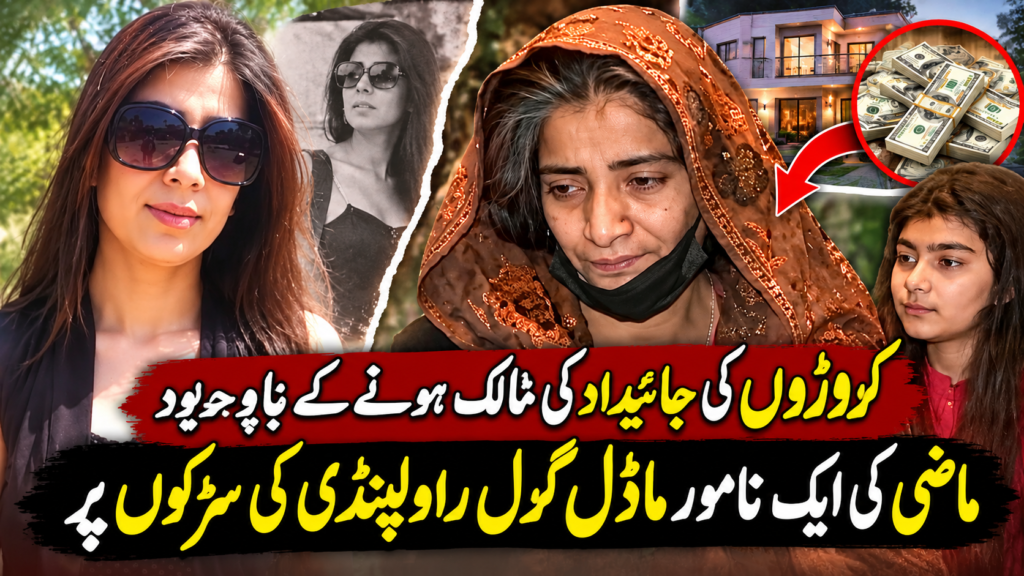
Fame and financial security are often assumed to go hand in hand. When someone becomes a recognizable face in the entertainment or fashion industry, people naturally imagine a comfortable life, a beautiful home, and financial stability. Yet the reported story of former Pakistani model **Shamali** presents a very different and deeply troubling picture.
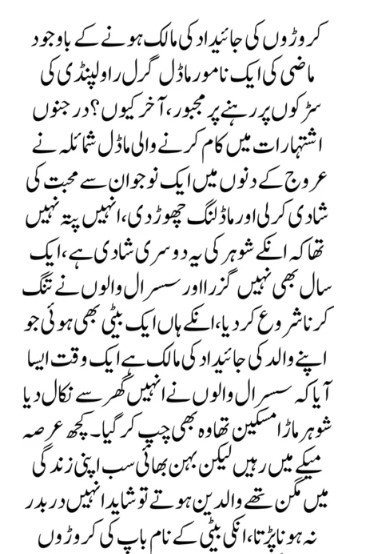
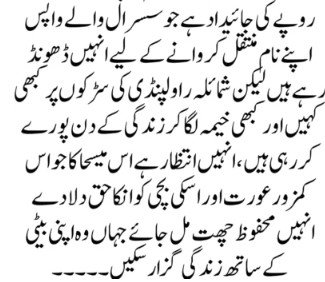
According to the Urdu material provided, Shamali was once a well-known model who worked in the entertainment and advertising industry. Today, however, she is reportedly living in extremely difficult circumstances despite claims that she owns property worth a substantial amount of money. Her story is not simply about the rise and fall of a celebrity. It also raises important questions about inheritance, property rights, family disputes, aging, and the vulnerability of people who find themselves isolated later in life.
## Who Is Shamali?
The reference material describes Shamali as a former model who was once associated with the glamorous world of modeling and advertising. At the height of her career, she reportedly worked on advertisements for major brands and enjoyed recognition within the industry.
That successful period of her life now stands in sharp contrast to her reported present circumstances.
According to the account in the supplied images, Shamali is now around **70 years old**. Although she is said to possess valuable inherited property, she reportedly does not have secure access to a home where she can live peacefully.
This unusual situation—being wealthy in assets on paper while struggling with basic housing—has made her story particularly striking.
## Property Worth Millions, but No Secure Home
The central claim in the reference material is that Shamali owns property valued at a very large sum. However, she reportedly cannot freely benefit from it.
The Urdu account alleges that some tenants occupying her properties have refused to vacate them. As a result, the former model is described as being unable to use property that legally belongs to her.
This distinction is important. Owning an expensive asset does not necessarily mean a person has cash available for everyday expenses. A house or commercial property may be worth millions, but if the owner cannot occupy it, sell it, rent it effectively, or otherwise exercise control over it, that wealth may provide little immediate protection.
Her reported circumstances illustrate the difference between **asset ownership and actual financial security**.
## A Successful Career in Her Younger Years
According to the supplied account, Shamali was not always living in hardship. During her younger years, she reportedly worked successfully as a model and appeared in advertising campaigns.
The images state that she worked for several recognizable products and companies. That career apparently gave her public recognition and connected her with the entertainment and advertising world of her time.
For someone who once belonged to such a visible profession, the transition to an isolated and financially difficult life is particularly dramatic.
Celebrity, however, can be temporary. Modeling careers can be short, and public attention often moves rapidly from one generation of performers to another. Without reliable long-term income, savings, family support, or control over property, former entertainers can face the same financial and legal problems as anyone else.
## A Marriage That Reportedly Lasted Only a Year
The reference material also provides details about Shamali’s personal life. It says she fell in love with a young man during the peak of her career and married him.
However, the marriage reportedly did not last.
According to the account, the relationship ended after approximately **one year**. The material further states that she did not have children.
This part of her story is significant because the absence of an immediate family support network can become especially consequential in old age. While having children is certainly no guarantee of security, elderly people who live alone can become more vulnerable when legal, financial, or housing disputes arise.
The supplied account suggests that Shamali’s circumstances became increasingly difficult as she grew older.
## Her Mother’s Death Changed Her Life
Another important turning point mentioned in the reference material was the death of Shamali’s mother.
The Urdu text indicates that her mother remained an important source of support in her life. After her mother’s death, Shamali reportedly became increasingly alone.
The material claims that she inherited property from her mother. In theory, such an inheritance should have provided substantial financial security. In practice, however, the story says she encountered problems obtaining control or possession of the properties.
This appears to be at the heart of the contradiction surrounding her situation: she may possess valuable assets legally, but reportedly cannot enjoy the benefits normally associated with ownership.
## The Problem of Property Possession
Property disputes can be particularly difficult for elderly people. Legal ownership documents are one part of the equation; obtaining physical possession and enforcing one’s rights can be another.
According to the supplied material, Shamali’s properties are occupied by tenants who allegedly do not want to leave. The account says that she wants possession restored so that she can live safely and receive the benefit of property belonging to her.
These are allegations in the reference material, and the images do not provide court documents or responses from the tenants. Therefore, the precise legal status of the properties and any ongoing proceedings should not be assumed without independent documentation.
Nevertheless, the broader issue highlighted by her story is very real: a valuable property can become practically useless to an owner when it is tied up in a long-running possession or tenancy dispute.
## A Life Far Removed From Former Glamour
Perhaps the most emotional element of Shamali’s reported story is the contrast between her past and present.
She once belonged to an industry associated with fashion, beauty, advertising, cameras, and public recognition. Decades later, according to the supplied account, she is struggling for something much more basic—a safe place to live.
That contrast explains why stories like hers attract so much public attention.
It also reminds readers that fame is not permanent financial protection. Photographs, television appearances, successful advertising campaigns, and public recognition can disappear from public memory surprisingly quickly.
What remains important in later life is access to basic necessities, dependable relationships, financial planning, and the ability to exercise one’s legal rights.
## What Shamali Reportedly Wants
The reference material suggests that Shamali is not simply asking for financial donations. Her central demand is reportedly related to her property rights.
She wants access to the properties she believes rightfully belong to her and wants those occupying them to vacate so she can live securely.
If the ownership claims described in the source are legally established, the dispute would ultimately depend on the relevant property and tenancy laws and any decisions made by the appropriate authorities or courts.
Her case therefore should not be reduced to a simple “rich woman becomes homeless” headline. It appears to involve a more complicated combination of aging, family circumstances, inheritance, property possession, and access to assets.
## A Story With a Wider Lesson
Shamali’s reported circumstances highlight a broader social issue: **wealth on paper is not always the same as security in real life**.
Someone can technically own valuable property while lacking a safe home. Likewise, a person who was once famous can eventually live almost anonymously.
Her story also underlines the importance of maintaining clear property documentation, planning inheritance carefully, protecting legal rights, and establishing reliable arrangements for old age.
Most importantly, elderly people facing housing or property disputes can be especially vulnerable when they lack close family support or the resources necessary to pursue lengthy legal proceedings.
## Conclusion
The reported story of former model Shamali is a striking contrast between past glamour and present hardship. According to the Urdu reference material, she enjoyed a successful modeling career, married during her younger years, later separated, had no children, and eventually inherited valuable property following her mother’s death.
Yet despite those assets, she is reportedly struggling to secure a permanent home because of disputes involving possession of her properties.
Some details of the story remain allegations presented in the supplied material and would require independent legal or documentary verification. Still, the account carries an important message: **property, money, and fame alone cannot guarantee security unless a person can actually exercise control over those resources.**
For a woman who once appeared before cameras and represented major products, the reported struggle today is not for fame but for something far simpler—the ability to live safely and with dignity in a home she can call her own.