Hospitals are meant to be places of healing, compassion, and hope. They are institutions where people go during some of the most vulnerable moments of their lives, trusting that they will receive care, empathy, and professional support. But what happens when those entrusted with care forget their humanity? What happens when compassion is replaced by cruelty, and responsibility turns into indifference?
This is the heartbreaking story of a seven-month pregnant woman whose painful experience at a hospital has raised serious questions about medical ethics, empathy, and accountability.
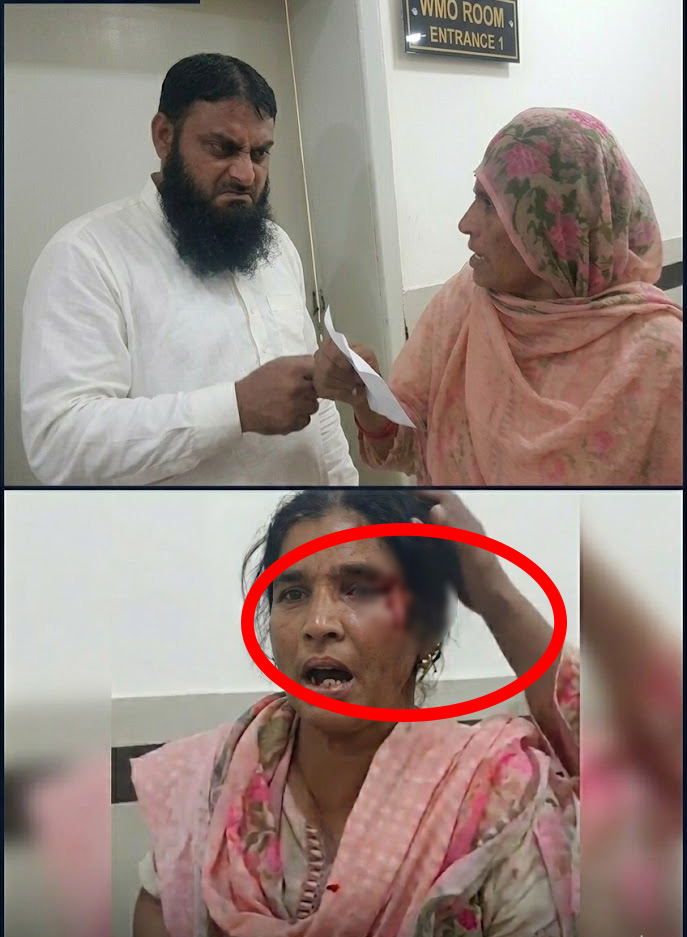
The image tells a thousand painful words. A visibly pregnant woman, carrying seven months of life within her, appears exhausted, distressed, and helpless. Her face reflects pain—not only physical discomfort but emotional suffering as well. What should have been a routine visit to seek help turned into an experience that no mother-to-be should ever have to endure.
According to eyewitnesses, the woman arrived at the hospital in urgent need of medical attention. She was already in visible discomfort and needed immediate assistance. Like any patient, especially one in an advanced stage of pregnancy, she expected to be treated with urgency and dignity. Instead, what she allegedly encountered was shocking neglect.
Hospital staff, who should have acted as caregivers, reportedly failed to respond with the compassion their profession demands. Rather than prioritizing her condition, they delayed assistance, ignored her distress, and treated her with a level of coldness that left onlookers stunned.
Witnesses described the atmosphere as deeply troubling. Staff members appeared more concerned with procedures and formalities than with the urgent needs of a vulnerable patient. The woman reportedly waited in pain, hoping someone would step forward to help. But instead of receiving immediate support, she faced indifference.
For many observers, the situation felt almost unimaginable. How could professionals trained to save lives become so detached from the very purpose of their work?
Pregnancy is one of the most delicate phases in a woman’s life. At seven months, both mother and child require careful monitoring and support. Any delay in treatment can increase risks and cause serious complications. Beyond the medical aspect, emotional reassurance is equally important. A pregnant woman in distress needs calm words, supportive gestures, and the confidence that she is safe.
Unfortunately, in this case, that reassurance was missing.
The emotional impact of such treatment can be long-lasting. A mother who walks into a hospital seeking help should never leave with emotional scars. Experiences like this can create fear—not just for the patient involved, but for countless others who hear the story and begin to question whether they can trust healthcare systems when they need them most.
Healthcare professionals carry immense responsibility. Their duties go beyond medical procedures and prescriptions. They are entrusted with people’s lives, fears, and hopes. A kind word, a timely response, and a respectful attitude can make a profound difference.
Most doctors, nurses, and hospital workers dedicate their lives to serving others, often under intense pressure and difficult circumstances. Their efforts deserve respect and appreciation. But when even a small number fail to uphold the values of compassion and professionalism, public trust can be deeply damaged.
This incident highlights a larger issue: the need for stronger accountability and patient-centered care.
Hospitals must remember that every patient is a human being, not just a file number or a routine case. Systems should be designed to ensure that urgent cases—especially involving pregnant women, children, and the elderly—receive immediate attention. Staff training should include not only medical knowledge but also communication skills, empathy, and ethical responsibility.
Families also deserve transparency. If delays occur, they should be informed clearly and respectfully. Silence and indifference only deepen pain and frustration.
Public response to stories like this is often powerful because it touches a universal truth: everyone, at some point in life, depends on healthcare. Whether rich or poor, young or old, every person expects and deserves dignity when seeking medical help.
That is why incidents involving neglect resonate so strongly. They remind us that healthcare is not just a service—it is a human commitment.
For the seven-month pregnant woman in this story, the experience may remain unforgettable. But her ordeal can also serve a purpose: to inspire change.
Hospitals can review protocols. Administrators can investigate complaints more thoroughly. Training programs can emphasize compassion as strongly as technical expertise. Communities can demand higher standards and support reforms that prioritize patient dignity.
Every patient deserves to feel safe when entering a hospital. Every mother deserves to know that her wellbeing—and the wellbeing of her unborn child—matters. Every healthcare worker deserves the tools and support necessary to perform their duties with excellence and empathy.
Most importantly, every institution entrusted with human life must remember one simple principle: kindness is not optional.
The image of that pregnant woman is more than a photograph—it is a reminder. A reminder that systems can fail when humanity is forgotten. A reminder that professional titles mean little without compassion. And a reminder that even in the busiest hospital corridors, empathy must never be left behind.
As society reflects on stories like this, one hope remains: that such incidents lead to meaningful improvements, ensuring that no patient—especially a vulnerable expectant mother—ever feels abandoned in a place meant to provide care.
Healthcare should heal, not hurt.
And compassion should always come first.